How to Repair Garage Door Opener Emergency Release?
1. What Is the Emergency Release on a Garage Door Opener and How Does It Work?
The emergency release is an essential safety feature integrated into most automatic garage door openers. It usually consists of a red cord or lever connected directly to the trolley or carriage that travels along the rail track of the garage door opener mechanism. When pulled, this emergency release cord manually disengages the trolley from the drive belt or chain drive system, allowing the garage door to be manually operated independent of the motor unit.
This mechanism ensures you can open or close your garage door during power outages or when the automatic opener is jammed. It works by releasing the connection between the door and the opener’s pulley system, effectively bypassing the electric controls for manual operation. The emergency lever or carriage acts as a quick manual override to keep you safe and avoid being trapped inside or outside your garage.
2. What Are Common Issues That Cause the Emergency Release to Fail?
Several common problems can cause the emergency release mechanism to malfunction or fail altogether. One frequent issue is a jammed or stuck trolley that prevents the emergency unlock function from engaging properly. This can be caused by accumulated debris along the rail track or worn rollers and hinges obstructing smooth movement.
Another cause is a broken or detached emergency release cord or lever, which may snap due to wear or excessive force. Problems with tension springs — such as worn, snapped, or unbalanced springs — can affect the door balance, making it difficult or unsafe to operate manually.
Malfunctions within the pulley system or cable drum can also lead to slack cables or misalignment, impairing the emergency release action. Furthermore, interference from the safety cable or locking mechanisms may restrict the free movement of the trolley. Identifying the exact cause is vital before attempting any repair to ensure safety and restore functionality.
3. How to Safely Inspect the Emergency Release Mechanism Before Repair?
Before starting any repair work on the emergency release, safety must be your top priority. First, disconnect the power supply to the garage door motor unit to prevent accidental activations during inspection.
Visually examine the emergency release cord or lever for any signs of fraying, breakage, or detachment. Check the trolley’s position on the rail track and ensure there are no obstructions or debris hindering movement.
Inspect the condition of tension springs and cables carefully for any damage or wear, as these impact door balance and safety. Use an alignment tool to verify that door tracks and rollers are positioned correctly and aligned within the garage door frame.
Lubricate all moving parts, including hinges, rollers, pulleys, and the trolley wheels, with a suitable lubrication spray to maintain smooth operation. Also, ensure that all mounting hardware securing the trolley, brackets, and rails are firmly fastened to avoid instability during use.
4. What Are Step-by-Step Instructions to Repair a Broken or Jammed Emergency Release Cord?
- Gather Tools: You'll need pliers, a screwdriver, and a replacement red emergency release cord, commonly available at hardware stores.
- Safety First: Disconnect the power supply from the garage door opener motor to ensure safe working conditions.
- Release Tension: Carefully lift the garage door slightly to reduce tension on the springs. This step helps prevent sudden door movements while repairing.
- Remove Damaged Cord: Cut or detach the faulty or broken emergency release cord or lever from the trolley and emergency lever assembly.
- Install Replacement Cord: Thread the new red emergency release cord through the existing pulley system. Securely tie it to the emergency lever, ensuring it operates with minimal resistance.
- Test Functionality: Reconnect power and test the emergency release by pulling the cord. The trolley should disengage smoothly, allowing you to lift the door manually.
- Adjust If Needed: If the release feels stiff or unresponsive, inspect for trolley jams or obstructions on the rail track and make necessary adjustments or clean the tracks.
Following these steps carefully will restore the manual release function, maintaining safety during power failures or motor issues.
5. How to Fix a Jammed or Stuck Trolley on the Garage Door Rail?
A jammed trolley can prevent the emergency release from functioning properly. Begin by disconnecting the garage door opener’s power to ensure safety. Attempt to manually slide the trolley along the rail track to identify blockages or stiff spots.
If the trolley is stuck, remove any debris or objects obstructing the rail track. Inspect door rollers and hinges for signs of wear or damage; replacing worn components can restore smooth movement.
Use an alignment tool to check whether the rail is bent or misaligned. Adjust the rails to ensure they are parallel and straight within the garage door frame.
Lubricate the trolley wheels, rails, pulleys, and hinge points with a quality lubrication spray designed for garage doors. Proper lubrication reduces friction and helps prevent future jams.
Finally, confirm that the garage door is balanced correctly by checking the tension springs. An unbalanced door causes strain on the trolley and opener mechanism, contributing to jams. After completing these tasks, test the emergency release again to verify its smooth operation.
6. When Should You Call a Professional to Repair Your Emergency Release?
While many emergency release issues can be handled by experienced DIYers, certain situations require professional intervention to ensure safety and proper repair. Contact a qualified garage door technician if:
- The emergency release cord breaks or becomes lodged inside inaccessible parts of the trolley or carriage.
- Tension springs or cables show damage or wear, as improper handling can cause serious injury.
- The motor unit, electric switches, limit switches, or safety sensors display faults affecting operation.
- Persistent jamming occurs despite cleaning, lubrication, and rail realignment efforts.
- You feel uncomfortable working around high-tension components like extension springs or cables.
- The manual release does not properly engage or disengage after several repair attempts.
Professionals have specialised tools and training to handle complex garage door issues safely and efficiently, reducing the risk of injury or further damage.
7. How to Maintain Your Garage Door Opener Emergency Release for Long-Term Use?
Regular maintenance of your garage door opener’s emergency release is vital to ensure reliable manual operation when needed. Perform routine inspections of the emergency release cord to check for any fraying, wear, or damage. Replace the cord promptly if signs of deterioration appear.
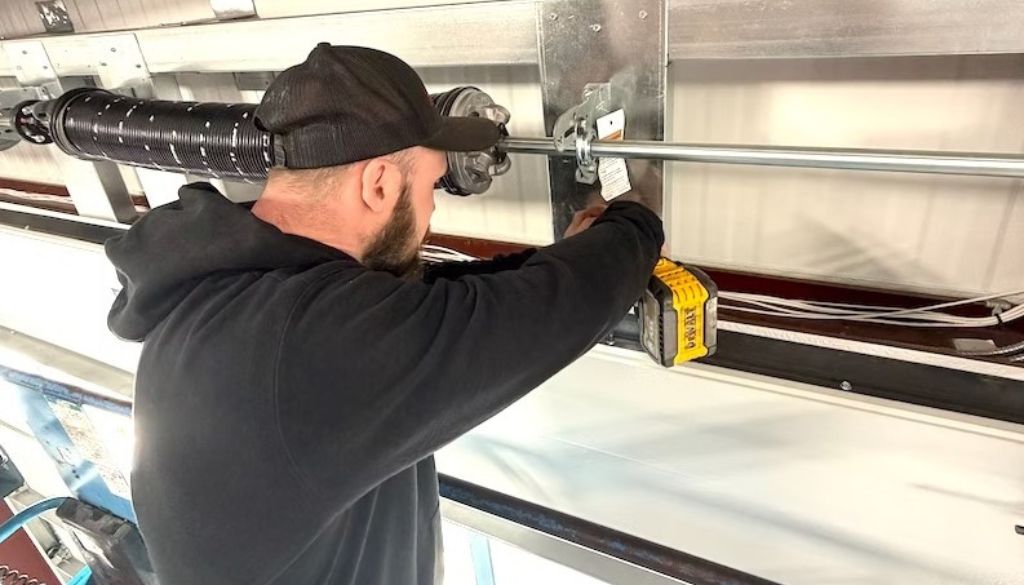
Apply lubrication spray to all moving parts—including pulleys, rollers, hinges, and trolley wheels—at least every six months to minimise friction and prolong component life. Quarterly testing of the manual release function helps identify issues early and keeps the mechanism in good working order.
Maintain proper door balance by adjusting tension springs or cables as necessary, ensuring the door lifts evenly without strain. Keep rail tracks clean and aligned, removing debris that could cause jamming.
Additionally, inspect related components such as weather seals, locking mechanisms, and door panels. Worn or damaged parts increase stress on the opener mechanism and emergency release system, so replace them as needed to maintain overall garage door health.
A. How to Adjust and Replace Tension Springs and Cables Safely
Tension springs and cables are critical in balancing the garage door and facilitating smooth manual and automatic operation. However, handling these components can be dangerous due to the high tension involved.
When adjusting or replacing extension springs, first ensure the power to the garage door motor unit is disconnected. Use appropriate tools to unwind and wind springs carefully, following manufacturer guidelines to avoid injury.
Safety cables running through the center of extension springs prevent recoil in case of spring failure and must always be intact. Check cable drums and drum shafts for wear or damage as they guide the cables during door movement. Properly adjusted springs and cables enhance door balance and reduce strain on the emergency release mechanism.
If unsure, consult a professional to manage tension spring adjustments or replacements safely.
B. Troubleshooting the Garage Door Opener Motor and Drive System Affecting Emergency Release
Sometimes issues with the emergency release stem from problems within the garage door opener’s motor and drive system. Components such as the drive belt, chain drive, or chain sprocket may wear or slip, hindering trolley movement.
Inspect the motor unit for unusual noises or malfunctions, and check the control panel, reset button, and electric switches for faults. Ensure the remote control and wall switch respond correctly.
Sensor alignment, particularly the photo eye sensors and safety sensors near the door tracks, affects overall opener operation but typically doesn’t impact manual emergency release. Still, keeping sensors aligned improves system reliability and safety.
Our Sponsor
A1 Garage Doors Gold Coast
A1 Garage Doors Gold Coast is a Bundall-based garage door specialist serving the southern Gold Coast and surrounding suburbs with installation, repair, maintenance, and emergency garage door services. The company specializes in sectional doors, roller doors, garage door openers, spring and cable replacement, opener motor repair, smart-enabled installations, and 24/7 emergency call-outs across Robina, Burleigh Heads, Surfers Paradise, Nerang, Coomera, and the wider Gold Coast region.
Address:
1 Waterford Court,
Bundall,
QLD
4217,
Australia
Phone: (07) 5515 0277
Business Hours:
- Open 24/7 — Including After-Hours and Emergency Call-Outs
Follow Us:
C. Upgrading Your Garage Door Opener Emergency Release with Battery Backup or Keypad Entry
For enhanced convenience and reliability, consider upgrading your garage door opener with a battery backup or keypad entry system. A battery backup ensures the opener motor continues running during power outages, reducing reliance on manual emergency release.
Keypad entry allows secure, keyless garage access and can include advanced features like remote control and wireless connectivity. These upgrades improve user experience while maintaining traditional manual release capabilities for emergencies.
Consult with a professional to select compatible systems that integrate safely with your existing garage door opener setup.
D. Understanding Safety Sensors and Photo Eye Alignment Impact on Manual Release and Operation
Garage door safety sensors, often called photo eye sensors, detect objects in the door’s path to garage door repair services prevent accidents. Proper sensor alignment ensures the opener stops or reverses if something blocks the doorway.
While these sensors primarily affect automated door closing, misalignment can cause the opener to malfunction, indirectly impacting emergency release usability. Regularly clean sensor lenses and verify correct positioning using manufacturer guidelines.
Maintaining sensor alignment supports overall door safety and operational consistency.
Frequently Asked Questions (FAQ)
Q1: Can I operate my garage door manually if the emergency release is broken?
A: It is generally unsafe and challenging to manually operate your garage door if the emergency release cord is broken. You should repair or replace the cord immediately to guarantee safe and effective manual operation during power outages or opener failures.
Q2: How often should I test the emergency release on my garage door opener?
A: Testing the manual release functionality every 3 to 6 months is recommended. Regular tests ensure the trolley disengages smoothly and the emergency release mechanism remains responsive when needed.
Q3: Why does my emergency release cord keep getting stuck or jammed?
A: Frequent jamming of the emergency release cord is often caused by misaligned rail tracks, worn rollers, debris buildup, or damaged trolley components. Performing regular cleaning, lubrication, and inspection helps prevent these issues.
Q4: Is it dangerous to repair the emergency release myself?
A: Minor repairs, such as replacing the release cord, are generally safe if done with the power disconnected and by following detailed instructions. However, avoid handling tension springs or cables without professional expertise, as these pose significant injury risks.
Q5: What tools do I need to fix an emergency release cord on my garage door opener?
A: Basic tools required include pliers, screwdrivers, a replacement emergency release cord, lubricant spray for moving parts, and possibly an alignment tool to adjust rail tracks if needed.
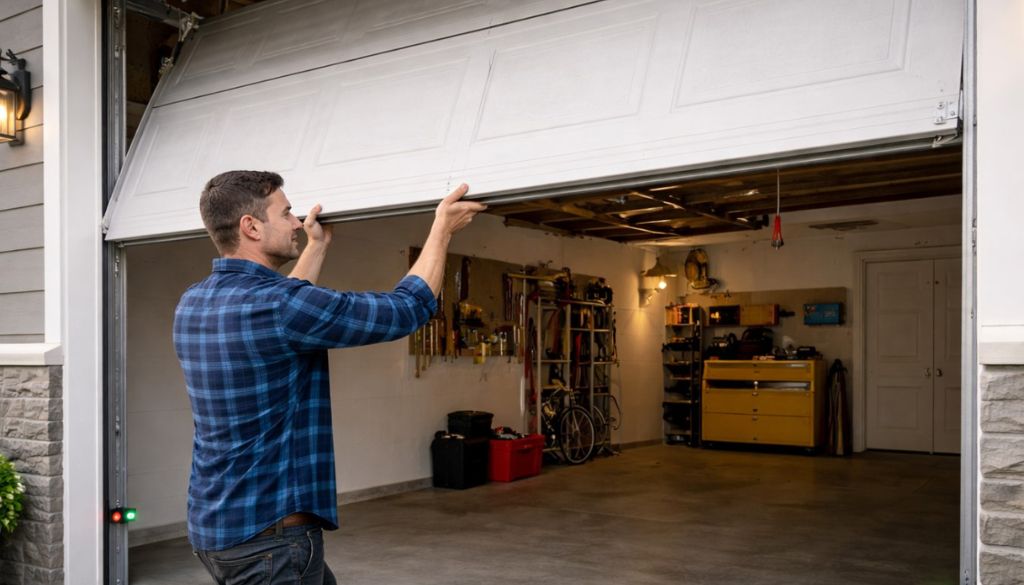
Maintaining a fully functional emergency release on your garage door opener is essential for safety, security, and peace of mind. By understanding the mechanism, routinely inspecting components, and performing basic repairs such as replacing a broken emergency release cord or freeing a jammed trolley, you can ensure your garage door remains operable even during emergencies.
Always prioritise safety by disconnecting power before inspection or repairs and seek professional assistance for complex issues involving springs, cables, or motor faults. Through consistent maintenance and timely repairs, your garage door opener can continue providing reliable automatic and manual access for years to come.
If you encounter persistent problems or prefer expert handling, contact a qualified garage door repair technician to assess and service your system safely and efficiently.